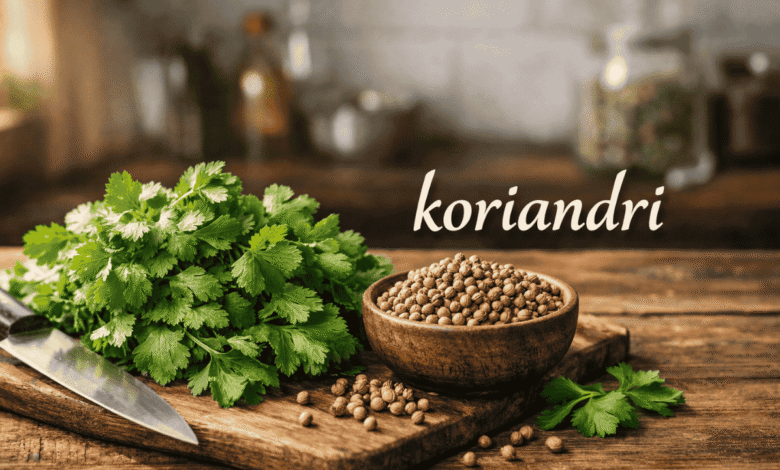
Koriandri is one of those ingredients that shows up quietly in kitchens across the world yet carries centuries of culinary and medicinal history. Known widely as coriander or cilantro depending on where you live, koriandri refers to the same plant that produces aromatic leaves and flavorful seeds used in cooking, herbal remedies, and traditional medicine. From Indian spice blends to Mexican salsas and Middle Eastern dishes, koriandri has built a reputation as a staple herb that delivers both flavor and health value.
Understanding koriandri goes beyond knowing it as a garnish. Every part of the plant has a purpose, from the fresh green leaves to the dried seeds and even the roots. Its distinct taste, nutritional value, and cultural significance make it an essential herb worth exploring in detail.
what is koriandri and where it comes from
Koriandri comes from the plant Coriandrum sativum, a member of the parsley family. This herb has been cultivated for thousands of years across the Mediterranean, Middle East, and parts of Asia. Over time, it spread across the globe through trade routes and migration, eventually becoming a staple in kitchens on nearly every continent.
In many regions, koriandri refers to the entire plant. However, naming conventions vary:
- In the United States, the leaves are commonly called cilantro
- The dried seeds are called coriander
- In most other countries, both leaves and seeds fall under coriander or koriandri
The plant grows quickly and thrives in mild climates. Farmers and home gardeners appreciate koriandri because it can be harvested within weeks and used fresh or dried. Its versatility makes it one of the most widely cultivated herbs in the world.
culinary uses of koriandri across global cuisines
Koriandri has earned a permanent place in global cooking thanks to its layered flavor. The leaves deliver a bright, citrus-like freshness, while the seeds offer a warm, slightly nutty spice. This contrast allows chefs and home cooks to use different parts of the same plant in completely different ways.
In many cuisines, koriandri acts as both a base ingredient and a finishing touch. Some of the most common uses include:
- Fresh leaves in salads, salsas, and chutneys
- Garnish for soups, curries, and rice dishes
- Ground seeds in spice blends and marinades
- Whole seeds in pickling and baking
Indian cooking uses koriandri extensively in dishes like curries and lentil stews. Mexican cuisine relies on it for salsas, tacos, and guacamole. Thai and Vietnamese recipes often include fresh koriandri leaves for brightness and aroma. Middle Eastern dishes incorporate both seeds and leaves in spice mixes and meat preparations.
The seeds and leaves of koriandri taste completely different, which allows cooks to layer flavors in one dish using the same plant. This is one reason the herb remains indispensable across cultures.
how koriandri enhances flavor naturally
One reason koriandri stands out is its ability to balance strong flavors. It can soften spicy dishes, add freshness to rich foods, and create depth in simple recipes. Many chefs consider koriandri a finishing herb because it brings a burst of aroma and color when added just before serving.
When toasted and ground, koriandri seeds release essential oils that deepen the flavor of sauces and spice blends. This simple step transforms the taste and aroma of a dish.
nutritional value of koriandri
Koriandri is not just a flavor enhancer. It also contains valuable nutrients that support overall health. Both the leaves and seeds contribute different benefits.
The leaves of koriandri provide:
- Vitamin A for eye health
- Vitamin C for immune support
- Vitamin K for bone strength
- Antioxidants that protect cells
The seeds of koriandri offer:
- Dietary fiber for digestion
- Iron and magnesium
- Calcium for bone health
- Natural plant compounds with antioxidant properties
Adding koriandri to meals can increase nutrient intake without adding extra calories. This makes it an easy addition to a balanced diet.
health benefits associated with koriandri
Traditional medicine systems have used koriandri for centuries. Modern research continues to examine its potential health effects. While it is not a cure for disease, regular use of koriandri may support several aspects of wellness.
digestive support and gut comfort
Koriandri has long been used to support digestion. Herbal traditions often recommend it for easing stomach discomfort and improving nutrient absorption. The seeds, in particular, are known for their digestive properties.
Possible digestive benefits include:
- Reduced bloating and gas
- Support for healthy digestion
- Relief from mild stomach discomfort
- Stimulation of digestive enzymes
Many people drink coriander water or tea made from koriandri seeds as part of traditional digestive routines.
heart health and blood sugar balance
Some studies suggest that koriandri may help support heart health by influencing cholesterol levels and circulation. Its natural compounds may also play a role in regulating blood sugar.
Regular consumption of koriandri in meals may contribute to:
- Balanced cholesterol levels
- Stable blood sugar response
- Improved metabolic function
While these effects vary from person to person, incorporating koriandri into a balanced diet can support overall wellness.
antioxidant and anti-inflammatory properties
Koriandri contains antioxidants that help protect the body from oxidative stress. These compounds support the immune system and may reduce inflammation in the body.
Potential benefits include:
- Protection against cellular damage
- Support for immune function
- Reduction in inflammation
- Natural antibacterial effects
Because of these properties, koriandri has been used in traditional remedies for infections and minor health concerns.
koriandri in traditional and herbal medicine
Across cultures, koriandri holds a respected place in herbal medicine. Ancient texts from Ayurveda and Middle Eastern healing traditions mention koriandri as a valuable plant for maintaining balance in the body.
In traditional practices, koriandri has been used for:
- Supporting digestion and appetite
- Cooling the body in hot climates
- Detox routines
- Herbal teas and tonics
While modern science continues to study these uses, the long history of koriandri in traditional medicine shows its enduring value.
growing and storing koriandri at home
Koriandri is one of the easiest herbs to grow. It thrives in pots, gardens, and even small indoor spaces with enough sunlight. Many home cooks prefer growing koriandri because fresh leaves have a stronger aroma than store-bought ones.
Tips for growing koriandri:
- Plant seeds in well-drained soil
- Provide moderate sunlight
- Water regularly but avoid overwatering
- Harvest leaves early for best flavor
To store fresh koriandri, keep stems in a glass of water or wrap them in a damp cloth in the refrigerator. Dried seeds should be stored in airtight containers away from heat and moisture.
why koriandri remains essential in modern kitchens
Despite changing food trends, koriandri continues to hold its place in kitchens worldwide. Its ability to enhance flavor without heavy processing makes it attractive to people who prefer fresh, natural ingredients.
Reasons people continue using koriandri include:
- Adds flavor without extra calories
- Works in multiple cuisines
- Easy to grow at home
- Offers nutritional benefits
- Supports simple home cooking
As more people focus on fresh ingredients and balanced eating, koriandri remains a practical and flavorful choice.
conclusion
Koriandri is far more than a garnish. It is a versatile herb with deep roots in culinary tradition, nutrition, and herbal practices. From its origins in ancient farming communities to its presence in modern kitchens, koriandri has maintained its importance through centuries of use.
Whether used for its fresh leaves, aromatic seeds, or potential health benefits, koriandri offers both flavor and function. Including koriandri in everyday meals can bring variety, nutrition, and a connection to global food traditions. Its continued popularity proves that simple, natural ingredients still hold a powerful place in the way people cook and eat today.
faqs
what does koriandri mean
Koriandri refers to the coriander plant, including its leaves and seeds. In some regions, the leaves are called cilantro, but koriandri can describe the entire plant.
is koriandri the same as coriander
Yes, koriandri and coriander refer to the same plant. The difference lies mostly in regional naming preferences.
how can koriandri be used in cooking
Koriandri can be used fresh as a garnish, blended into sauces, or ground from seeds into spice mixes. Both leaves and seeds offer different flavors.
does koriandri have health benefits
Koriandri contains vitamins, minerals, and antioxidants that may support digestion, heart health, and immune function when included in a balanced diet.
can koriandri be grown at home
Yes, koriandri grows easily in pots or gardens. With proper sunlight and watering, it can be harvested quickly for fresh use in cooking.