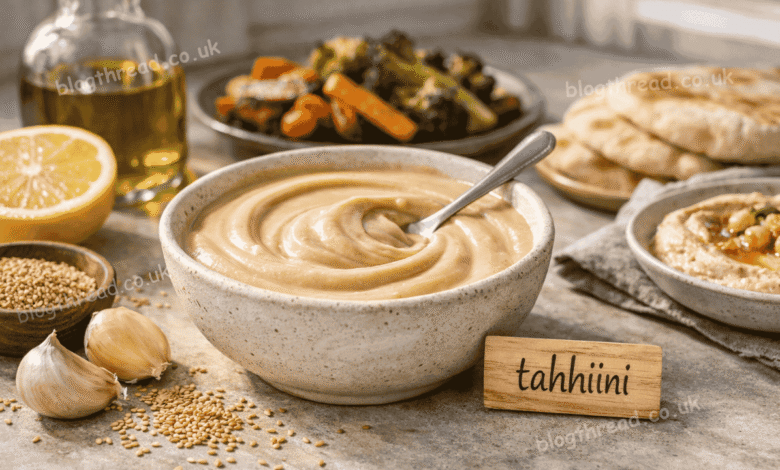
If you only use tahhiini for one dip and call it a day, you’re wasting one of the most versatile ingredients in your pantry. It can carry a sauce, anchor a dressing, replace dairy, and add depth to food that would otherwise taste flat. Treat it like a niche paste and you’ll miss the point. Treat it like a foundation ingredient and your cooking gets sharper fast.
People who cook well keep tahhiini within arm’s reach for the same reason they keep olive oil and salt close: it fixes problems. Too dry? It adds body. Too sharp? It rounds the edges. Too bland? It brings a nutty, toasted backbone that makes everything taste intentional.
Why tahhiini punches above its weight
Dense nutrition that actually matters
Tahhiini isn’t empty calories hiding behind a health halo. A single spoonful delivers fats that lean heavily toward mono- and polyunsaturated types, plus plant protein, fiber, and minerals like calcium, iron, zinc, and copper. That’s real fuel, not decoration.
This matters in everyday meals. Add tahhiini to a bowl of vegetables or grains and suddenly the plate keeps you full for hours instead of minutes. It slows digestion, steadies blood sugar, and gives vegetarian dishes the staying power people usually chase with meat or cheese.
It’s also one of the easier ways to sneak more minerals into your diet without supplements. Stir it into lunch, drizzle it on dinner, and you’re stacking nutrition without changing how you eat.
Flavor that behaves like a chef
The taste is where tahhiini earns its place. Nutty, slightly bitter, toasted. It plays well with lemon, garlic, cumin, chili, honey, cocoa, even coffee.
That slight bitterness is the secret. It keeps sauces from tasting one-note sweet or salty. It adds tension. Good cooks know tension equals flavor.
A thin tahhiini sauce can turn roasted carrots into something you’d order at a restaurant. Blend it with yogurt and herbs and suddenly grilled chicken tastes planned, not rushed. Mix it into a chocolate batter and you get a deeper, almost smoky richness that butter alone can’t match.
How to use tahhiini beyond the obvious
If your mental list stops at hummus, you’re barely scratching the surface. Tahhiini works across meals and cuisines, and it often replaces more complicated ingredients.
Sauces and dressings that don’t fall apart
Tahhiini emulsifies like a dream. Add water and lemon and it thickens into a creamy sauce without any dairy.
A basic formula that rarely fails:
- 2 tablespoons tahhiini
- juice of half a lemon
- 1 small grated garlic clove
- salt
- warm water to thin
Whisk and adjust. That’s it.
Pour it over roasted vegetables, grilled fish, shawarma, or even a simple salad. It clings instead of sliding off like oil-based dressings.
You can also blend tahhiini with soy sauce, ginger, and rice vinegar for a fast noodle dressing. Or mix it with miso for a punchy glaze on eggplant or tofu.
Breakfast upgrades that actually satisfy
Breakfast is usually carb-heavy and forgettable. Tahhiini fixes that.
Stir it into oatmeal with dates and salt. Spread it on toast with honey and banana. Blend a spoon into smoothies for creaminess without protein powders.
It adds heft. You stay full. No mid-morning crash.
People chasing “healthy breakfasts” often overcomplicate things. A spoon of tahhiini does more work than half the trendy ingredients lining grocery store shelves.
Baking and sweets with depth
Most desserts lean hard on sugar and butter. Tahhiini adds complexity.
Cookies get chewier. Brownies taste darker. Frosting turns silky without extra cream cheese. You can even swirl tahhiini into cheesecake or ice cream for a salty-nutty contrast that cuts sweetness.
Halva-style treats, energy bars, and no-bake bites come together easily because tahhiini acts as both fat and binder. Less mess, better texture.
It’s the rare ingredient that makes desserts taste more grown-up without making them heavy.
Choosing good tahhiini (and avoiding disappointment)
What to look for on the jar
Bad tahhiini tastes chalky and bitter. Good tahhiini tastes toasted and smooth.
Here’s what matters:
- Short ingredient list: sesame seeds only
- Pourable texture when stirred
- Light golden to beige color
- No sour or stale smell
Oil separation is normal. Just stir.
Hulled versions tend to be smoother and milder. Unhulled can taste stronger and slightly gritty but bring more fiber and minerals. Pick based on how you cook, not on marketing claims.
Storage and handling
Tahhiini lasts longer than most people think, but it does go rancid if you abuse it.
Keep it sealed. Store in a cool, dark place or refrigerate after opening if your kitchen runs warm. Stir every time you use it so the oil stays integrated.
If it smells sharp or metallic, toss it. No recipe saves spoiled tahhiini.
Health benefits without hype
Let’s be honest: no single food is magic. But tahhiini does stack up well.
Heart support from the right fats
Those unsaturated fats help lower LDL cholesterol and support cardiovascular health. That’s not a trend claim; it’s basic nutrition science. Swap heavy cream sauces for tahhiini-based ones and you’re making a real upgrade, not a cosmetic one.
Antioxidants and anti-inflammatory compounds
Sesame seeds contain lignans like sesamin and sesamol, compounds linked to antioxidant and anti-inflammatory effects. You don’t need to memorize the chemistry. Just know that tahhiini offers more than calories and flavor.
The one real drawback
It’s calorie-dense.
If you pour half a cup over everything, you’ll feel it. A spoon or two goes far. Use it with intent, not like ketchup.
And of course, anyone with sesame allergies should stay away completely. No workaround there.
Where tahhiini fits in everyday cooking
Think less “specialty ingredient” and more “pantry staple.”
Keep tahhiini around and you can:
- turn leftovers into a quick bowl with sauce
- thicken soups without cream
- make instant dips for raw vegetables
- add protein and fat to plant-based meals
- fix dry, bland food without starting over
It saves time. It saves meals. That’s why cooks who know what they’re doing don’t treat tahhiini like an occasional purchase. They buy it regularly.
Once you start using tahhiini daily, you’ll notice something else: your food tastes more cohesive. Sauces feel connected to the dish. Flavors stop fighting each other. It’s a small change with an outsized payoff.
Conclusion
Tahhiini isn’t exotic or precious. It’s practical. It solves problems fast and makes simple food taste deliberate. Keep it stocked, use it often, and stop reserving it for one predictable dip. If an ingredient can upgrade breakfast, lunch, dinner, and dessert without extra effort, it deserves permanent counter space.
FAQs
- Can I use tahhiini straight from the jar without thinning it?
Yes, but it’s thick and intense. For sauces or drizzles, add water or lemon to loosen it so it spreads better. - Why does my tahhiini turn thick and seize when I add lemon juice?
That’s normal. Keep whisking and add warm water gradually. It will smooth out into a creamy sauce. - Is hulled or unhulled tahhiini better for cooking?
Hulled is smoother and milder, better for dressings and baking. Unhulled has a stronger flavor and more texture, good for hearty dishes. - Can tahhiini replace peanut butter or almond butter in recipes?
Often yes. Expect a less sweet, more savory result. It works especially well in sauces, cookies, and energy bars. - How long does opened tahhiini last in the fridge?
Typically several months if sealed tightly and stirred occasionally. If it smells off or tastes bitter in a bad way, discard it.