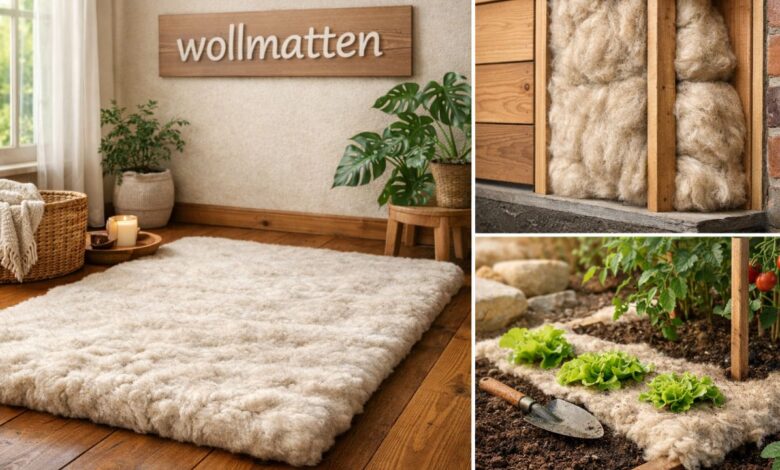
Natural materials are making a strong return in homes, gardens, and construction. One product that has quietly gained attention is wollmatten. Made from compressed or felted sheep wool, these mats offer practical benefits that synthetic materials often fail to deliver. From insulation and home décor to farming and environmental protection, wollmatten have found a place in both traditional and modern spaces.
This article explains what wollmatten are, how they are made, where they are used, and why more people are choosing them for everyday living.
Understanding the meaning and origin of wollmatten
The word wollmatten comes from German and translates directly to wool mats. These mats are created from natural sheep wool that is processed into dense, durable sheets. They can be thick or thin depending on their intended use, and they are known for their softness, flexibility, and strength.
Historically, wool has been used for centuries to create clothing, carpets, and protective coverings. Over time, craftsmen began turning raw wool into compressed mats for insulation, flooring, and farming. Today, wollmatten continue that tradition while fitting into modern eco-friendly lifestyles.
Unlike synthetic mats made from plastic or rubber, wollmatten rely entirely on natural fibers. This makes them biodegradable, renewable, and safer for the environment.
How wollmatten are produced from raw wool
The production of wollmatten begins with sheep wool. After shearing, the wool goes through a cleaning process to remove dirt, oils, and debris. Once cleaned, the fibers are combed and aligned to prepare them for shaping.
There are several common production methods:
- Felting: Wool fibers are exposed to heat, moisture, and pressure. This causes them to bond together into a thick, solid sheet.
- Weaving: Fibers are woven tightly to form a structured mat.
- Compression pressing: Wool is pressed into dense layers using mechanical pressure.
In many cases, manufacturers use lower-grade wool that cannot be used for clothing. Turning this wool into wollmatten helps reduce waste and supports sustainable production. The result is a sturdy, long-lasting mat that maintains the natural properties of wool.
Key characteristics that make wollmatten unique
Wool has natural qualities that make wollmatten different from synthetic mats. These features explain why they are used across so many industries.
- High moisture absorption without feeling wet
- Natural temperature regulation
- Durable fibers that maintain shape
- Biodegradable and eco-friendly
- Soft texture with strong resilience
- Natural resistance to odors and dust
Because wool fibers can absorb and release moisture, wollmatten help maintain a balanced environment. This makes them suitable for indoor spaces, agricultural use, and construction insulation.
wollmatten in home décor and interior comfort
One of the most common uses of wollmatten is in home interiors. They are used as floor mats, rugs, and cushioning layers that add comfort while improving indoor air quality.
Homeowners often choose wollmatten for living rooms and bedrooms because they provide warmth and softness underfoot. Unlike synthetic carpets that trap heat and odors, wool mats allow air circulation and help regulate humidity.
Benefits of using wollmatten indoors include:
- Improved comfort and warmth during colder seasons
- Reduced indoor noise and echo
- Natural material that suits eco-friendly homes
- Long lifespan compared to synthetic rugs
- Gentle texture suitable for children and pets
Wollmatten also fit well in minimalist and natural interior designs. Their neutral tones and organic feel add character without overpowering a space.
Gardening and agricultural uses of wollmatten
In gardening and agriculture, wollmatten serve as a natural solution for soil care and plant protection. Farmers and gardeners use them as mulch layers to support plant growth while reducing water usage.
Wool fibers can hold large amounts of water relative to their weight. This allows wollmatten to store moisture and release it slowly into the soil. As a result, plants receive consistent hydration even during dry periods.
Common agricultural benefits of wollmatten:
- Retain soil moisture for longer periods
- Reduce frequency of watering
- Suppress weed growth naturally
- Slowly release nutrients into soil
- Improve soil structure over time
As wollmatten break down naturally, they add organic matter to the soil. This improves soil fertility without the need for chemical fertilizers. Many organic farmers now use wool mats as an alternative to plastic mulch.
Construction and insulation advantages of wollmatten
Builders and architects are turning to natural materials to improve energy efficiency. Wollmatten have become a practical option for insulation in residential and commercial buildings.
Wool fibers trap air within their structure. This creates an effective thermal barrier that keeps indoor spaces warm in winter and cool in summer. At the same time, wool absorbs sound waves, making wollmatten useful for acoustic insulation.
Key construction uses include:
- Wall and roof insulation
- Soundproofing panels
- Floor underlays
- Temperature regulation in buildings
Another advantage of wollmatten is their ability to manage humidity. They can absorb excess moisture from the air and release it when conditions become dry. This helps prevent mold growth and improves indoor comfort.
Environmental benefits of choosing wollmatten
As sustainability becomes a priority, more consumers are looking for materials that reduce environmental impact. Wollmatten stand out because they are made from renewable resources and return safely to the earth after use.
Environmental advantages include:
- Fully biodegradable material
- Made from renewable sheep wool
- Reduces reliance on plastic-based mats
- Supports recycling of unused wool
- Low energy production compared to synthetic materials
Using wollmatten helps reduce waste from the wool industry. Instead of discarding lower-quality wool, manufacturers convert it into useful products that last for years.
Industrial and outdoor applications of wollmatten
Beyond homes and farms, wollmatten have practical uses in outdoor and industrial settings. Their strength and flexibility make them suitable for a range of tasks.
Some of these applications include:
- Erosion control on slopes and construction sites
- Protective packaging for fragile goods
- Camping and outdoor ground mats
- Craft and textile projects
- Cushioning material for transportation
In landscaping, wollmatten are often placed over soil to prevent erosion. Over time, they decompose and blend into the ground without leaving harmful residues.
Why demand for wollmatten is growing
The rising interest in sustainable living has brought renewed attention to natural materials. Wollmatten fit perfectly into this shift toward environmentally responsible products.
Several factors are driving demand:
- Growing awareness of eco-friendly building materials
- Increase in organic gardening practices
- Preference for natural home décor
- Focus on biodegradable and renewable products
- Desire to reduce plastic use in daily life
As consumers become more conscious of environmental impact, wollmatten offer a practical alternative to synthetic options. Their durability and versatility make them suitable for long-term use.
Tips for choosing and maintaining wollmatten
Selecting the right wollmatten depends on intended use. Thicker mats work well for insulation and flooring, while thinner versions suit gardening and decorative purposes.
Maintenance is simple if handled properly.
- Shake or vacuum regularly to remove dust
- Avoid excessive moisture exposure
- Air dry if wet
- Use mild cleaning methods when necessary
- Store in a dry place when not in use
Proper care ensures wollmatten maintain their shape and performance for years.
conclusion
Wollmatten have moved from traditional craft material to modern eco-friendly solution. Their ability to serve multiple purposes makes them valuable for homes, agriculture, construction, and outdoor use. Made from natural wool, they provide durability, comfort, and environmental benefits that synthetic products struggle to match.
As more people look for sustainable materials, wollmatten continue to gain attention. They offer a simple way to improve comfort, support plant growth, and reduce environmental impact without sacrificing performance. Whether used indoors or outdoors, these natural wool mats prove that traditional materials still hold strong value in modern life.
faqs
What are wollmatten made from?
Wollmatten are made from natural sheep wool that is cleaned, processed, and compressed or felted into dense mats.
Are wollmatten environmentally friendly?
Yes. Wollmatten are biodegradable, renewable, and made from natural fibers, making them a sustainable alternative to synthetic mats.
Can wollmatten be used in gardening?
Wollmatten are widely used in gardening to retain moisture, reduce weeds, and improve soil quality over time.
Do wollmatten work as insulation?
Yes. Wollmatten provide thermal and sound insulation, making them suitable for walls, floors, and roofs in buildings.
How long do wollmatten last?
With proper care and maintenance, wollmatten can last for many years while maintaining their structure and effectiveness.